
The traditional cremation process, involving flames and intense heat, has been a common practice for many years. However, a more sustainable and environmentally friendly alternative has emerged in recent times—flameless cremation, also known as alkaline hydrolysis or aquation. In this blog, we will delve into the concept of flameless cremation, its ecological benefits, the process involved, and its growing popularity as a compassionate and sustainable end-of-life option.
The Need for Sustainable End-of-Life Practices
With a growing awareness of environmental issues and the desire to reduce our carbon footprint, many individuals and families are seeking eco-friendly alternatives for end-of-life arrangements. Traditional flame-based cremation and burial practices have raised concerns about resource consumption, emissions, and land use. This has led to the exploration of more sustainable options.
What Is Flameless Cremation?
Flameless cremation, also known as alkaline hydrolysis, is a gentle and eco-friendly process that dissolves human remains using a water-based solution of alkali and heat. This process was initially developed for the disposal of animal remains and has gained acceptance in the funeral industry as an alternative to traditional cremation. The key elements of flameless cremation include:
Alkaline Solution: The body is placed in a stainless-steel chamber filled with a water-based solution, typically composed of potassium hydroxide (KOH) or sodium hydroxide (NaOH).
Heat and Pressure: The chamber is sealed, and heat and pressure are applied, accelerating the natural decomposition process. This process takes place at a lower temperature compared to traditional cremation, making it more energy-efficient.
Chemical Reaction: The alkali solution, heat, and pressure trigger a chemical reaction that breaks down the body's organic materials, leaving behind bone fragments.
Residue and Bone Fragments: After the process is complete, the remaining solution is typically drained away, leaving bone fragments that can be processed into ashes, similar to traditional cremation.
Ecological Benefits of Flameless Cremation
Flameless cremation offers several environmental advantages:
Lower Carbon Footprint: Flameless cremation consumes significantly less energy and produces fewer greenhouse gas emissions compared to traditional cremation, making it a more eco-friendly option.
Reduced Resource Use: It requires fewer resources such as fuel and electricity, contributing to resource conservation.
Chemical Neutralization: The process neutralizes chemicals and medications present in the body, preventing them from entering the environment.
Efficient Space Use: Flameless cremation does not require large burial plots, reducing the demand for land in cemeteries.
Preservation of Ash Scattering: Families can scatter ashes in environmentally sensitive areas without concern for harmful emissions.
The Acceptance and Availability of Flameless Cremation
Flameless cremation has gained acceptance in various regions and is legally recognized in an increasing number of jurisdictions. Funeral homes and crematories are beginning to offer this alternative alongside traditional cremation services. The choice of flameless cremation is often driven by environmental concerns, personal beliefs, or a desire for a more sustainable end-of-life option.
Addressing Concerns and Misconceptions
Respectful Process: Flameless cremation is a respectful and dignified process that treats human remains with care and reverence.
Safety: The process is safe, with stringent regulations in place to ensure the proper handling and disposal of remains.
Ashes and Remains: Families receive the ashes and bone fragments of their loved ones, just as they would with traditional cremation.
Personalizing Flameless Cremation
Like traditional cremation, flameless cremation allows for personalization:
Memorial Services: Families can hold memorial services, viewings, or gatherings to honor and remember their loved ones.
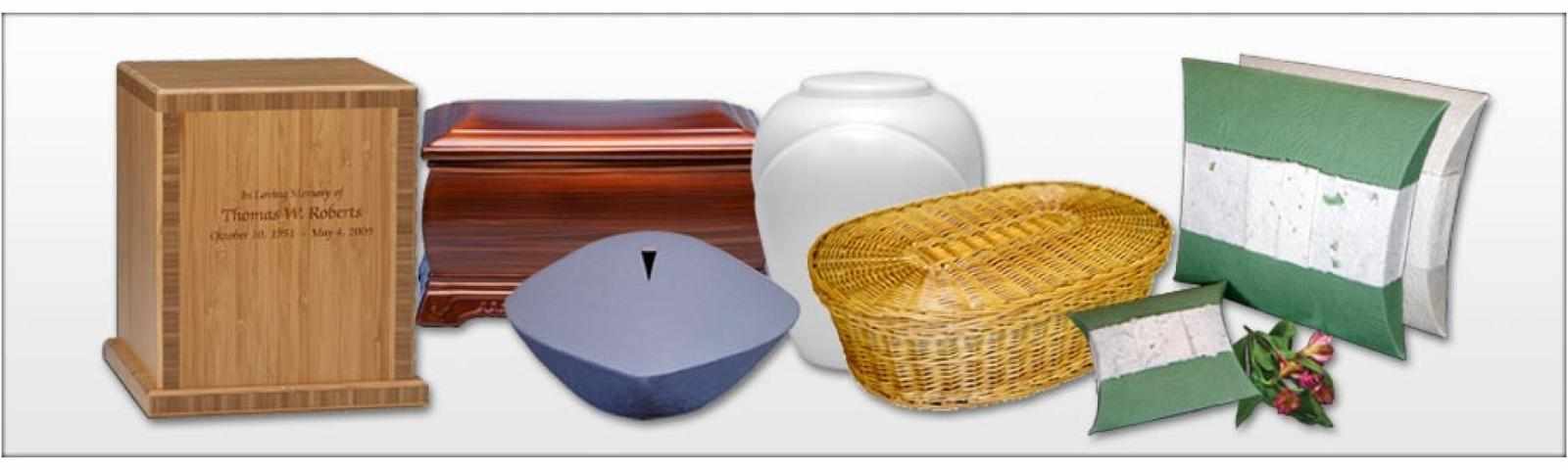
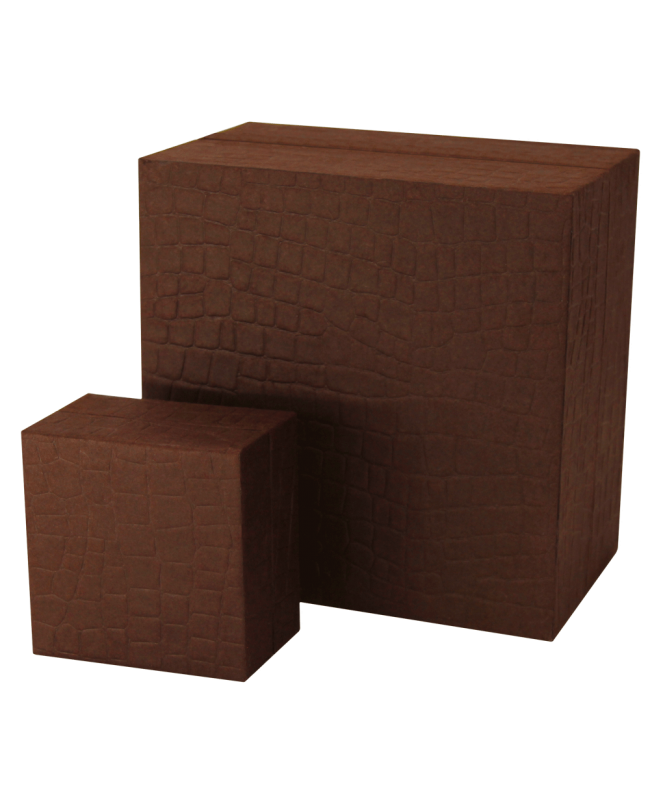
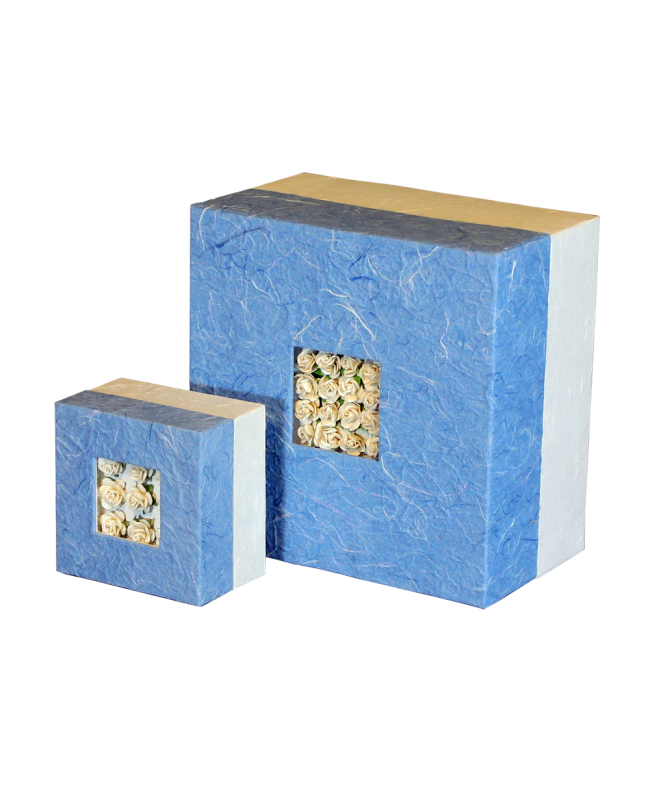
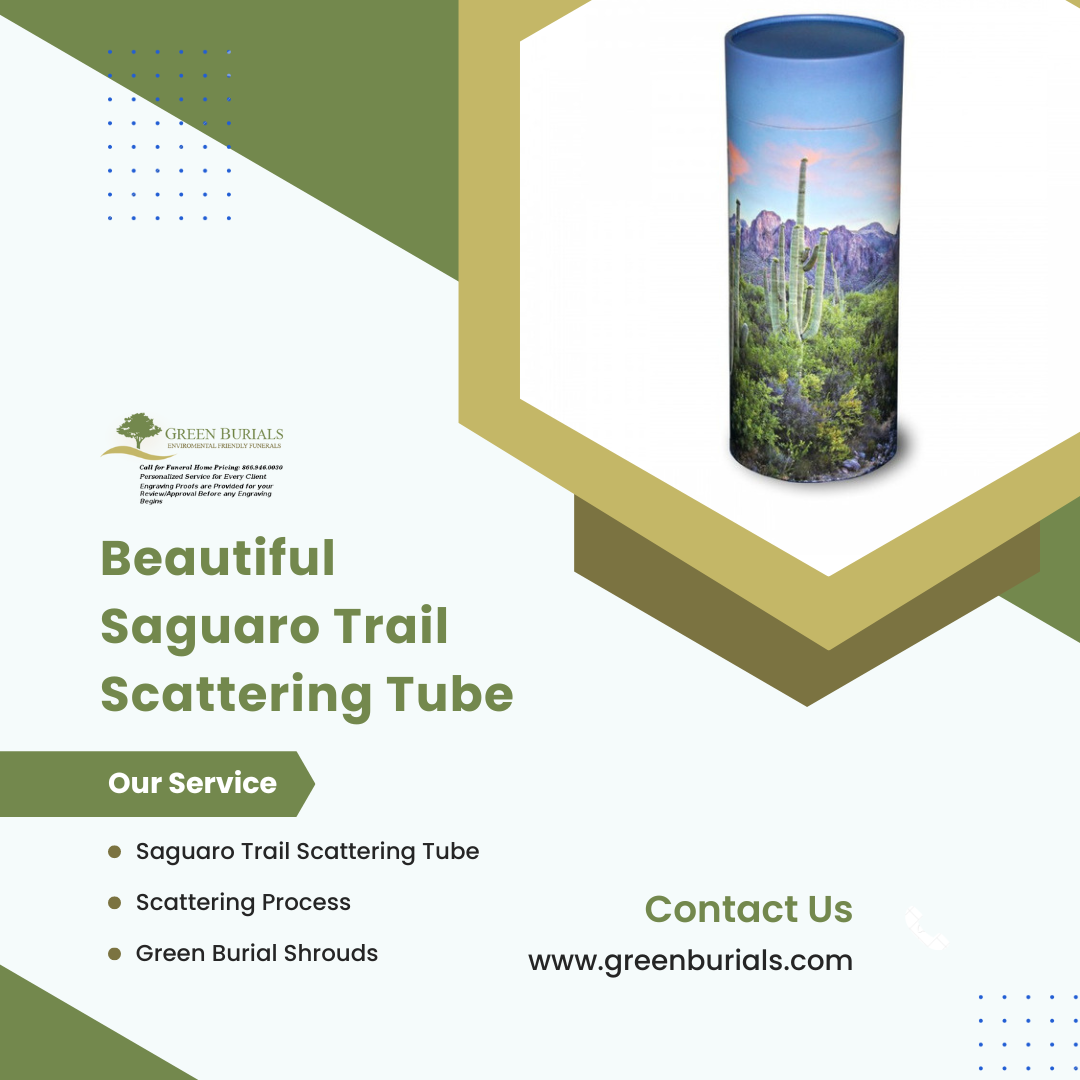
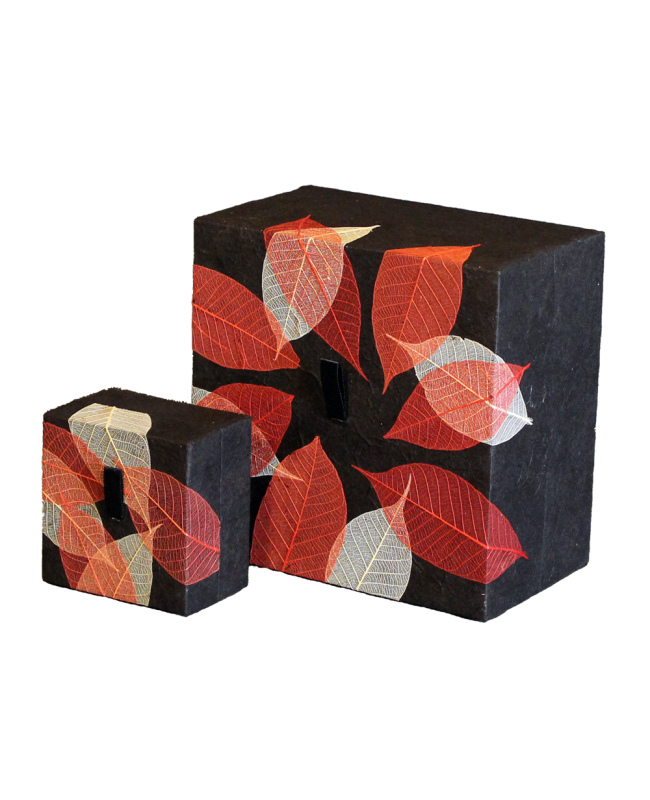
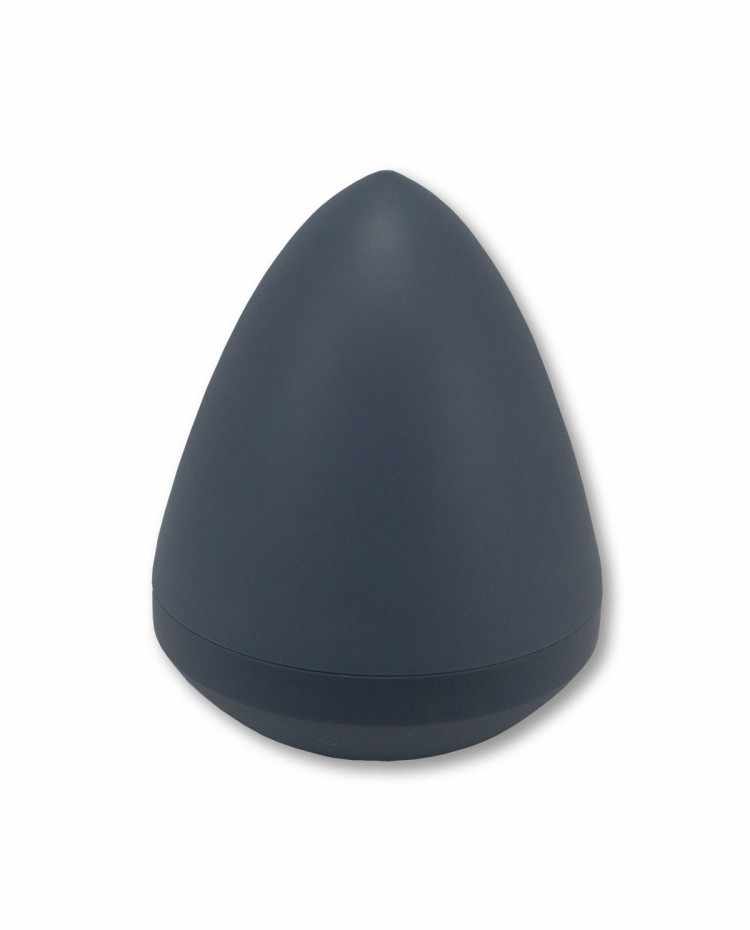
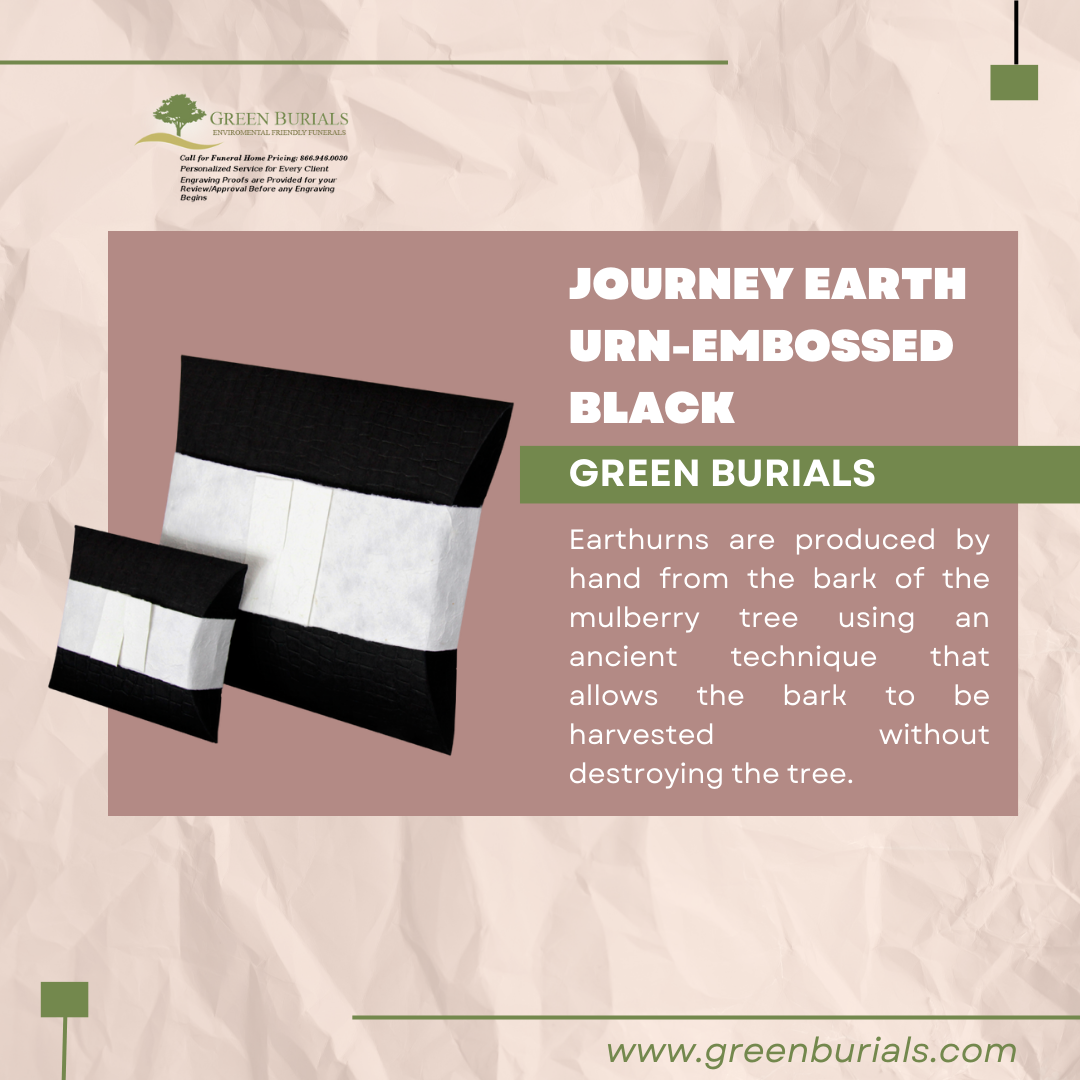
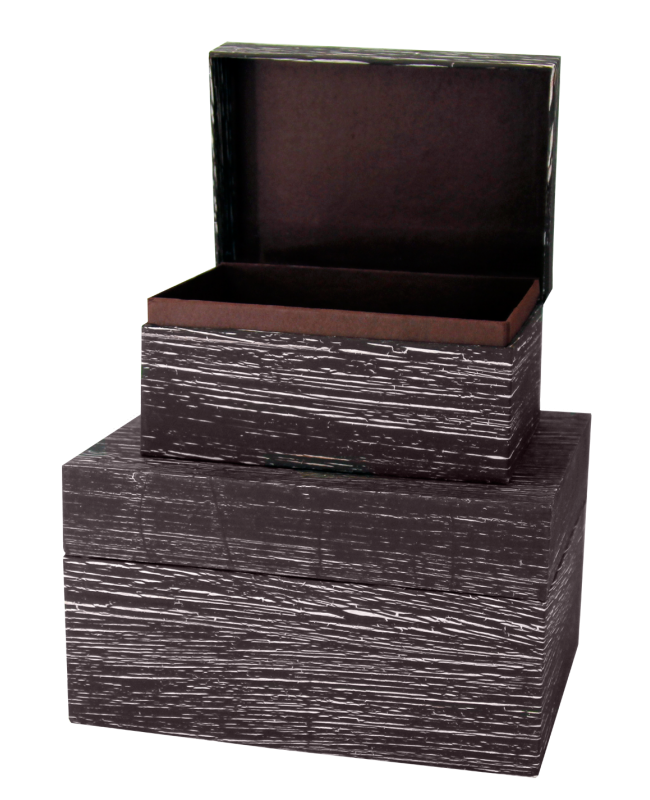
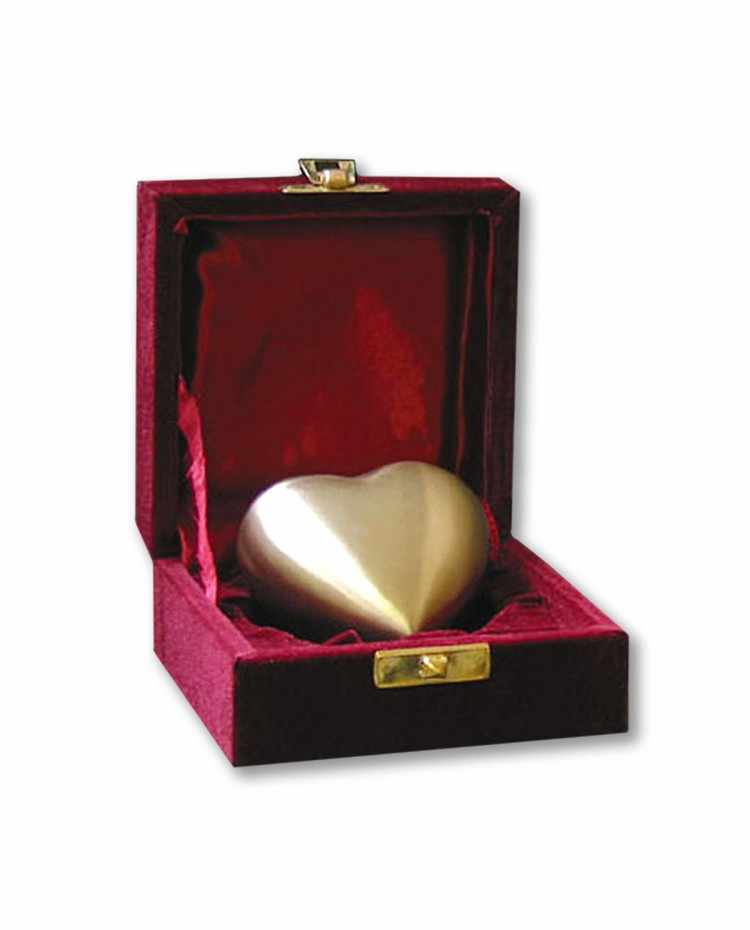
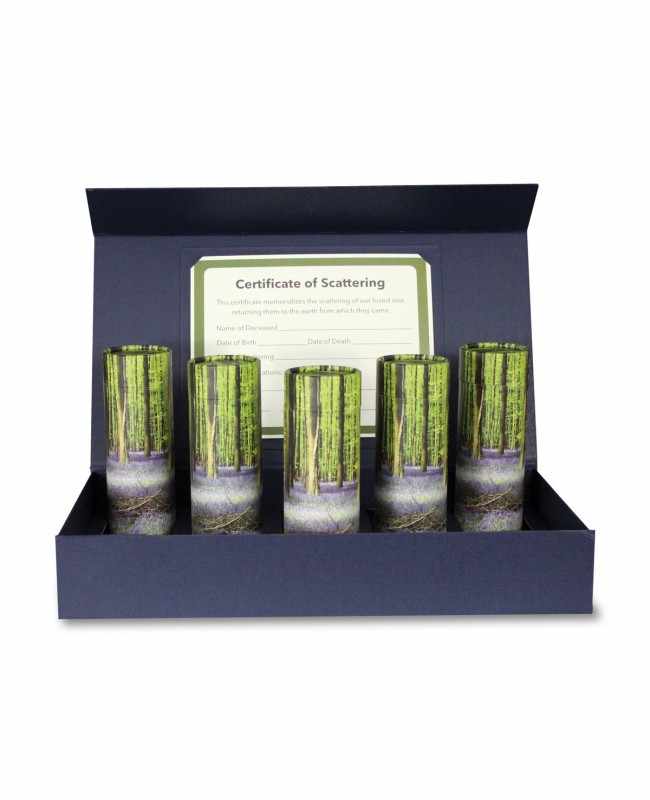
Ash Scattering: Ashes can be scattered in meaningful locations or stored in urns, providing a lasting tribute.
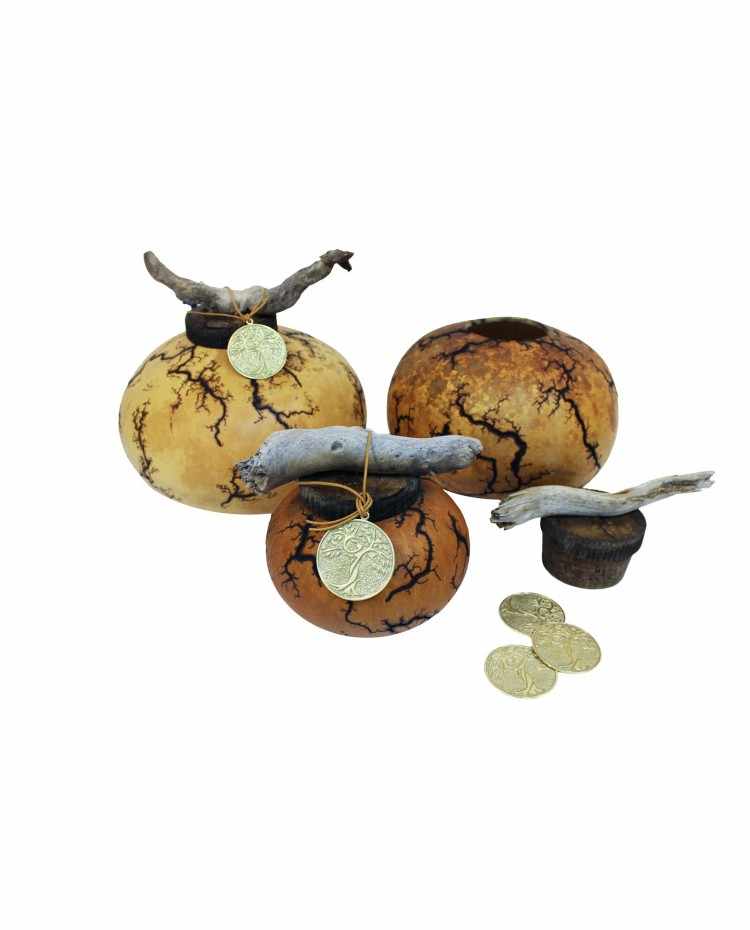
Keepsakes: Families can choose from a variety of keepsake options, such as jewelry or decorative items, containing a small portion of the ashes.
Conclusion
Flameless cremation represents a compassionate and sustainable end-of-life option for those seeking eco-friendly alternatives to traditional practices. With its lower carbon footprint, resource efficiency, and chemical neutralization, it addresses environmental concerns while providing families with a respectful and dignified way to say goodbye to their loved ones.
As awareness of the ecological impact of end-of-life practices continues to grow, flameless cremation is likely to become an increasingly popular choice. It offers a meaningful way to celebrate the lives of the departed while contributing to a more sustainable and environmentally conscious future.







Write a comment ...